How Technology Is Revolutionizing Insurance
Technology is fundamentally altering the insurance landscape. Innovations such as artificial intelligence, automation, and blockchain are redefining how insurers assess risk, process claims, and engage with customers. These advancements promise greater efficiency and transparency, yet they also pose challenges for traditional practices. As the industry adapts to these changes, one must consider the implications for both insurers and consumers alike. What new dynamics will emerge in this evolving market?
The Role of Artificial Intelligence in Risk Assessment
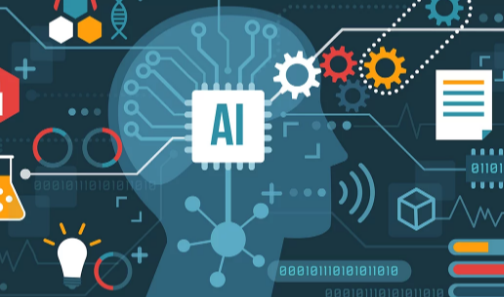
As the insurance industry grapples with evolving risks and consumer expectations, the integration of artificial intelligence (AI) in risk assessment has emerged as a transformative force.
By employing predictive analytics, insurers can analyze vast datasets, enhancing underwriting efficiency. This technological advancement enables more accurate risk evaluations, allowing companies to tailor policies effectively.
Consequently, the industry can better meet diverse consumer needs while optimizing operational performance.
Streamlining Claims Processing With Automation
The advancements in artificial intelligence have not only transformed risk assessment but have also paved the way for significant improvements in claims processing.
Claims automation enhances processing efficiency by minimizing human error and expediting decision-making. Insurers can efficiently assess claims, allocate resources effectively, and ultimately reduce turnaround times, leading to a more streamlined experience for all stakeholders involved in the insurance ecosystem.
Enhancing Customer Engagement Through Digital Tools
How can digital tools reshape the way insurance companies interact with their customers?
By leveraging personalized communication and virtual consultations, insurers can foster deeper relationships and enhance customer satisfaction.
These tools enable tailored messaging, timely responses, and accessible support, empowering clients with greater control over their insurance experiences.
Ultimately, this transformation encourages a more engaging and responsive dialogue between insurers and their clientele.
Read also: How Technology Is Reshaping Global Economies
The Impact of Blockchain on Insurance Transactions
While many industries are exploring the benefits of blockchain technology, its potential to transform insurance transactions stands out significantly.
By utilizing decentralized ledgers, insurers can enhance transparency and security.
Moreover, smart contracts automate claims processing, reducing the risk of fraud and expediting settlements.
This innovation not only empowers policyholders but also fosters a more efficient and trustworthy insurance ecosystem, aligning with the desire for freedom and autonomy.
Conclusion
Despite concerns about technology replacing human jobs in the insurance sector, the integration of advanced tools is primarily enhancing the workforce’s capabilities rather than diminishing them. By leveraging AI, automation, digital platforms, and blockchain, insurance companies can deliver more accurate, efficient, and personalized services. This technological revolution not only meets evolving consumer demands but also fosters a more secure and transparent industry, ultimately benefiting both providers and customers alike in a competitive marketplace.